
What's the difference of UV Broad-Spectrum and UV LED Light-Curing Lamps ?
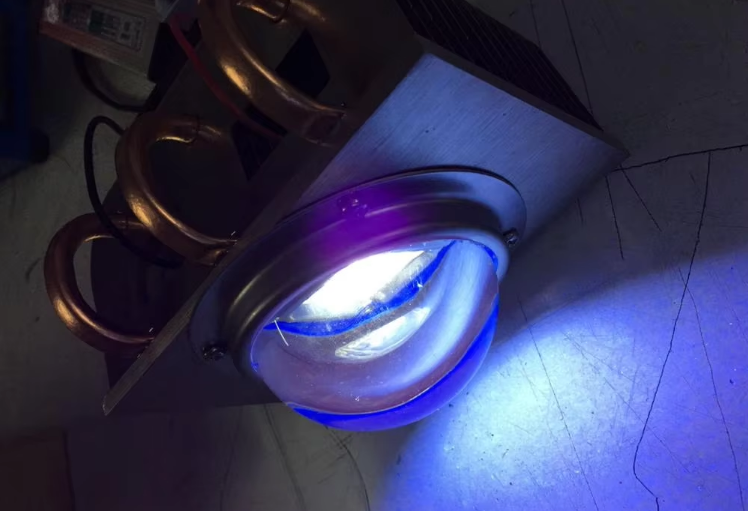
Broad-spectrum and LED are the two primary types of curing systems that utilize UVA light. The differences in the relative intensity of LED light sources have a very discrete energy wavelength versus conventional broad-spectrum arc lamps.
The first UV-curing systems used broad-spectrum lamps to cure adhesives and coatings. These conventional mercury-arc lamps are broadband light sources because they emit light over a wide range of wavelengths, including shortwave UV, longwave visible, and even longer-wave infrared, resulting in multiple energy peaks. Broad-spectrum curing systems utilize high-pressure metal-halide bulbs that produce light energy in the 300 to 450 nm range and provide 50-1,000 mW/cm2 of UVA light at the curing surface.
LED lamps generate curing energy using an array of surface-mounted LEDs instead of traditional metal halide or mercury bulbs. They are semiconductor energy sources that emit very discrete light-energy wavelengths, resulting in a single, narrow, bell-shaped emission spectrum. The wavelength distribution from a LED light source can peak in the UV or visible light range, typically at 365, 385, 395nmor 405 nm, depending upon the selection of the LED.
For example,the 395nm wavelength triggers a rapid curing reaction with ink, which is why 395nm UV LEDs are installed on printers to quickly dry printed documents or images, achieving perfect printing results.It is being applied more and more widely 395nm UV led curing for printer.
Is UV led harmful for human being? Could our skin be exposured under UV led light ?
