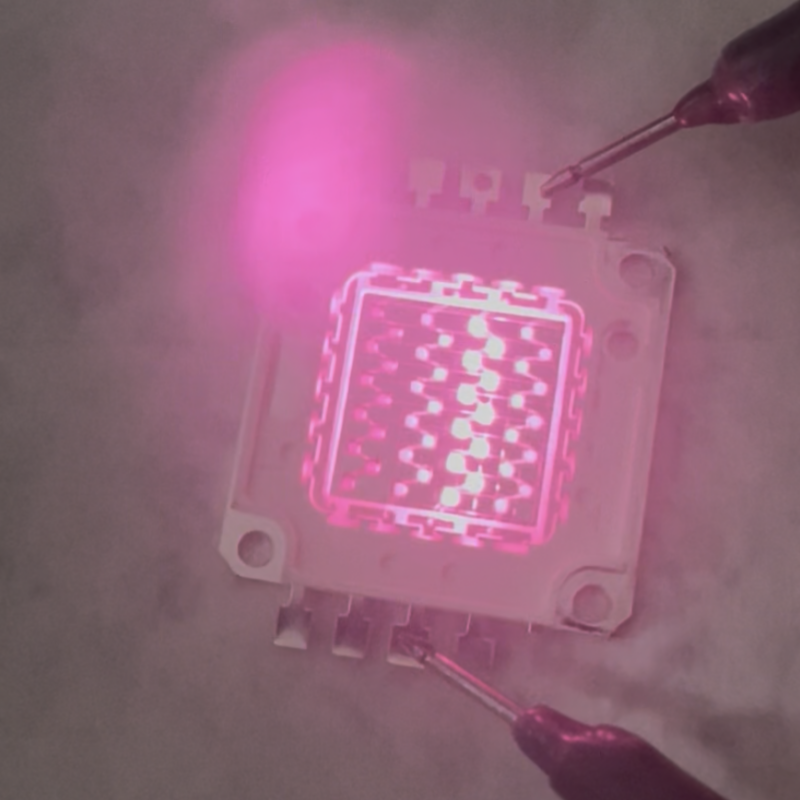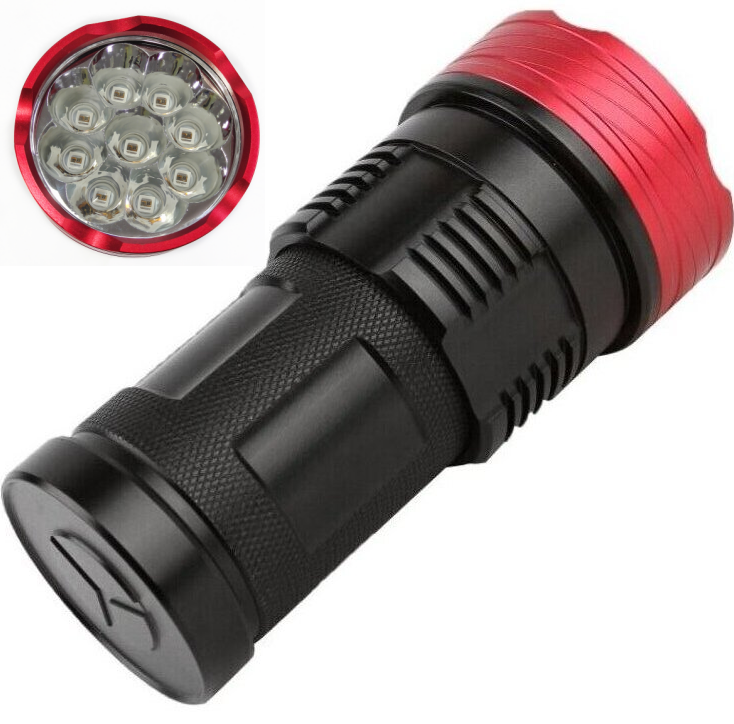
What’s the application of UV led? How to protect yourself when using UV leds ?
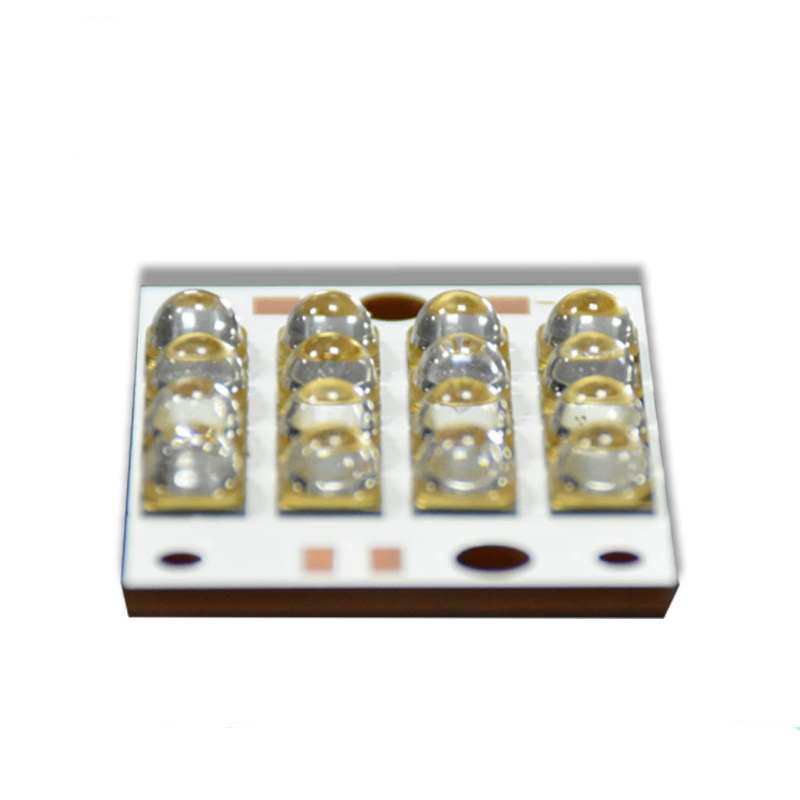
UV LED, with its cold light source, mercury free environmental protection, instantaneous start stop, and precise wavelength characteristics, has widely replaced traditional mercury lamps. However, its ultraviolet radiation poses potential hazards to people and the environment and requires strict protection.
Main application areas:
By band (UVA/UVB/UVC), it is mainly used in the following scenarios:
- UV curing manufacturing (UV A led 365-405nm): the largest proportion.
Used for PCB three proof paint coating, electronic component bonding (camera, speaker), printing ink/coating drying, fiber optic coating curing, and new energy battery assembly. The advantage lies in low thermal damage and protection of thermal sensitive components.
- Sterilization and disinfection (UVC led 260-280nm): using high-energy short waves to destroy microbial DNA/RNA. Applied to water treatment, air purification, surface disinfection of medical devices, sterilization of food packaging, and household portable disinfection equipment.
- Medical and Biomedical (UVB/UVC):
UVB led (~310nm) is used for phototherapy of skin diseases such as vitiligo and psoriasis; UVC is used for sterilization of surgical instruments and in vitro diagnostic equipment.
- Other special applications:
including anti-counterfeiting recognition of banknotes/gemstones (excitation fluorescence), plant factory lighting, photocatalytic exhaust gas treatment, and military ultraviolet communication/alarm.
Main protection issues and measures when using UV led:
UV led radiation can cause electrical eye inflammation, skin burns, and material aging, and some wavelengths may produce ozone (although UV LEDs themselves do not produce ozone, attention should be paid to supporting processes). Protection should be taken from three levels: equipment, environment, and personal:
1.Eye protection (highest priority)
Wear specialized goggles: Ordinary sunglasses are ineffective, and professional UV protective goggles that can block specific wavelengths (such as 365nm uv led or 275nm uv led) must be used.
Avoid direct viewing: Even if the device has a casing, it is strictly prohibited to directly view the light-emitting chip when it is turned on, as scattered light can also be harmful.
2.Skin and body protection
Wear protective clothing: Wear long sleeved UV resistant work clothes and gloves during operation to avoid direct skin exposure and prevent redness or long-term damage.
Limit exposure time: Optimize the process flow and reduce personnel's stay time in the radiation area.
3.Equipment and Environmental Engineering Control
Fully enclosed and interlocked design: The curing box/machine should have a safety interlock device (power off upon opening the door) to ensure no UV leakage; Line/surface light sources need to be equipped with anti leakage baffles.
Anti reflection treatment: The workbench should be made of dark and low reflection materials to avoid secondary radiation damage caused by high reflection surfaces such as metal and glass.
Ventilation management: Although UV LED does not produce ozone, if the curing material releases VOCs or odors, it is necessary to maintain good ventilation in the work area.
4.Monitoring and maintenance
Regular intensity testing: Use a UV radiometer to measure environmental leakage values and ensure that the intensity in non working areas is below the safety threshold (usually<1 mW/cm ²).
Warning signs: Clear UV hazard warning signs should be posted around the equipment, and special safety training should be provided to the operators.
Summary: UV LED is an efficient green process tool, but the risk of "invisible light" is real. It is necessary to adhere to the principle of "engineering isolation as the mainstay, personal protection as a supplement" and strictly prohibit naked eye operation.
Ten major application areas of UV led