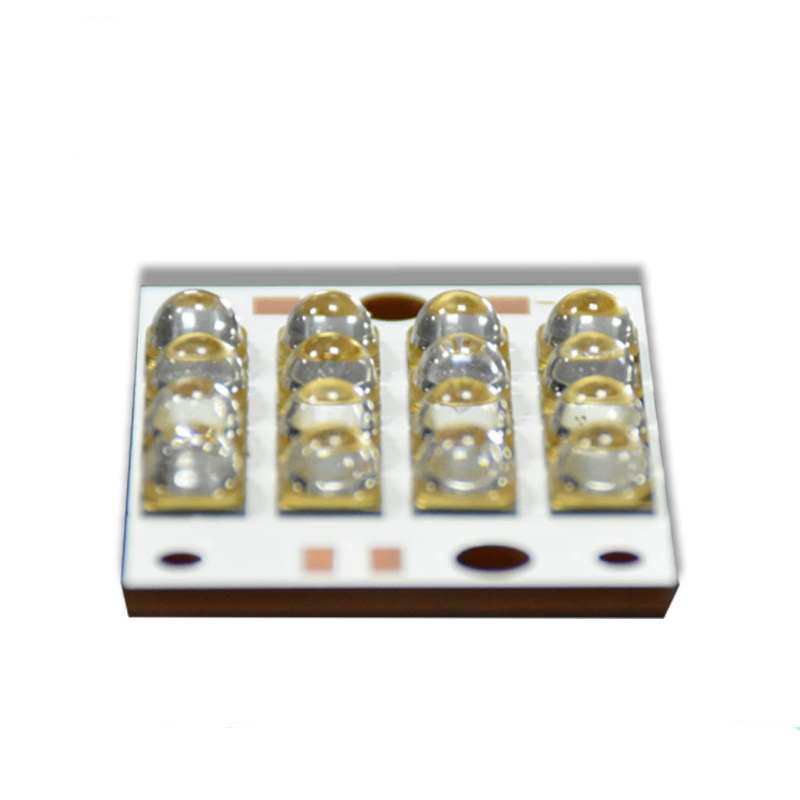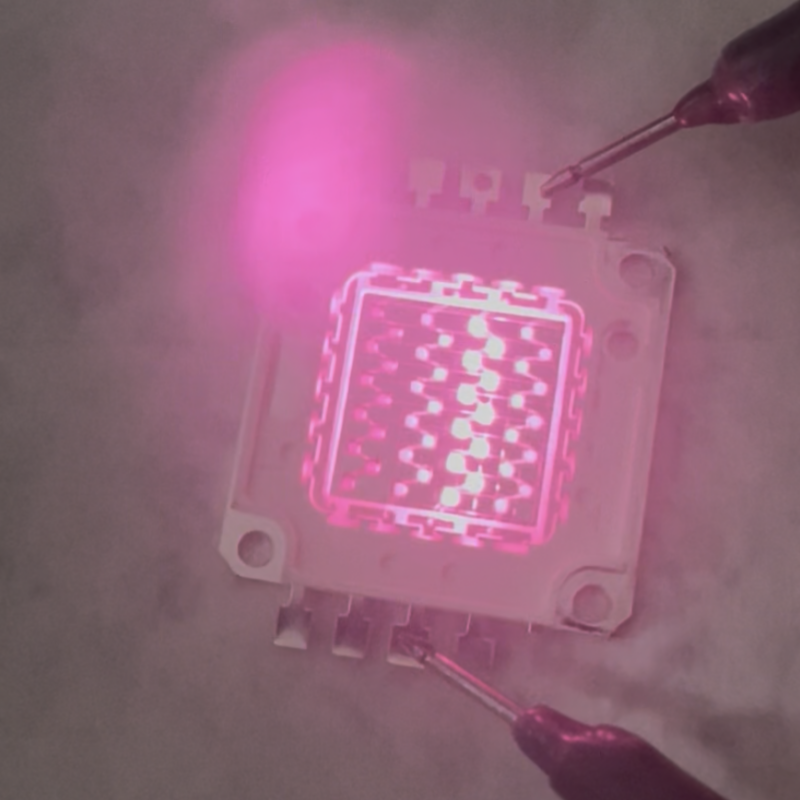
What can high power UV led do ? Comprehensive analysis of uv leds application scenarios.
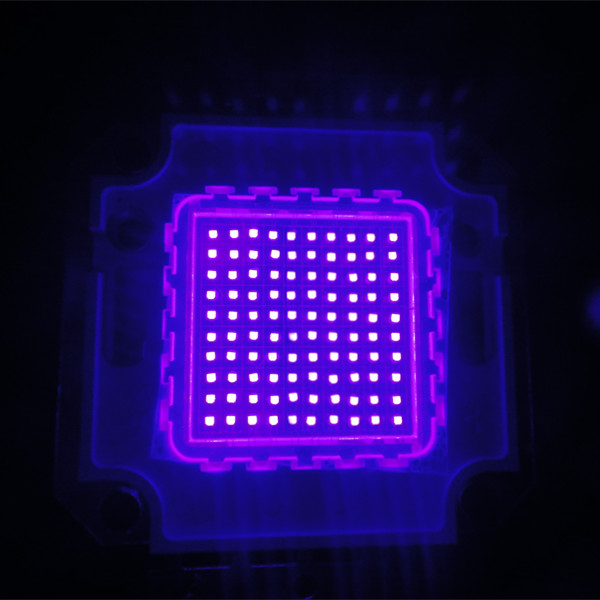
UV led is a device that utilizes the light-emitting principle of semiconductor materials to achieve UV light output, enabling functions such as curing, detection, and catalysis through specific wavelengths of UV light. Its core parameters include emission wavelength, power, luminous efficiency, etc., which directly affect the usage effect. Taking wavelengths of 395nm and 400nm as examples, the former is commonly used for glue curing, while the latter is mostly used for photocatalytic reactions. Both belong to typical application scenarios of high power UV leds.
The light-emitting principle of UV LED beads is based on the semiconductor electroluminescence effect: when current passes through the chip, electrons and holes recombine, releasing energy in the form of uv light. Its core parameters include:
- .Wavelength: 365nm,395nm and 400nm are common wavelengths, each corresponding to different application scenarios.
- Power: More than 3w falls within the high-power category, capable of providing higher light intensity.
- Luminous efficiency: 10 lm/W indicates that 10 lumens of luminous flux can be converted from every watt of electric energy.
- Allowable junction temperature:The temperature-resistant design at 120℃ ensures stability for long-term operation.
- Chip size: 1.15mm microchip that balances performance and size control.
- Glue curing: The 395nm uv led wavelength can activate the initiator in the photosensitive glue, achieving rapid curing, which is widely used in fields such as electronic component bonding and craftwork production.
- Photocatalysis: 400nm uv led wavelength can excite catalysts such as titanium dioxide, decompose organic matter, and be used in environmental protection scenarios such as air purification and water treatment.
- Currency verification and fluorescence detection: 365nm UV led wavelength can make fluorescent substances emit light, which is used for authenticating banknotes, detecting and repairing cultural relics, etc.
- Special lighting: UV light with low color temperature can reduce the impact on biological rhythms, making it suitable for lighting during nighttime operations.
III、Structural design and material selection
1.Chip: Utilizing a 1.15mm microchip, luminous efficiency is enhanced through optimized doping processes;
2.Base plate and bracket: Copper base plate and bracket, with high thermal conductivity, can quickly dissipate heat;
3.Packaging: Round design, with a light emission angle of 140°, expanding the illumination range;
4.Conductor: Copper conductor, with low resistance, reduces power loss;
5.Protection: The product has passed the LM-80 test, ensuring a lifespan of 2 years under the conditions of a rated current of 700mA and an operating voltage of 3V.
- .Avoid direct eye exposure: UV light may cause damage to the retina, so protective glasses should be worn during use.
- Control operating temperature: Although the junction temperature is allowed to reach 120℃, long-term high temperatures can shorten the lifespan, so it is recommended to use a cooling device.
- Voltage stability: The voltage temperature coefficient is 1V/℃, and changes in ambient temperature may affect output stability, so a regulated power supply should be equipped.
- Reverse voltage protection: The reverse voltage limit is 5V, and polarity should be noted during installation to avoid damaging the device.
How to choose a suitable UV flashlight ?
How to jude whether IR led are working or not ?